
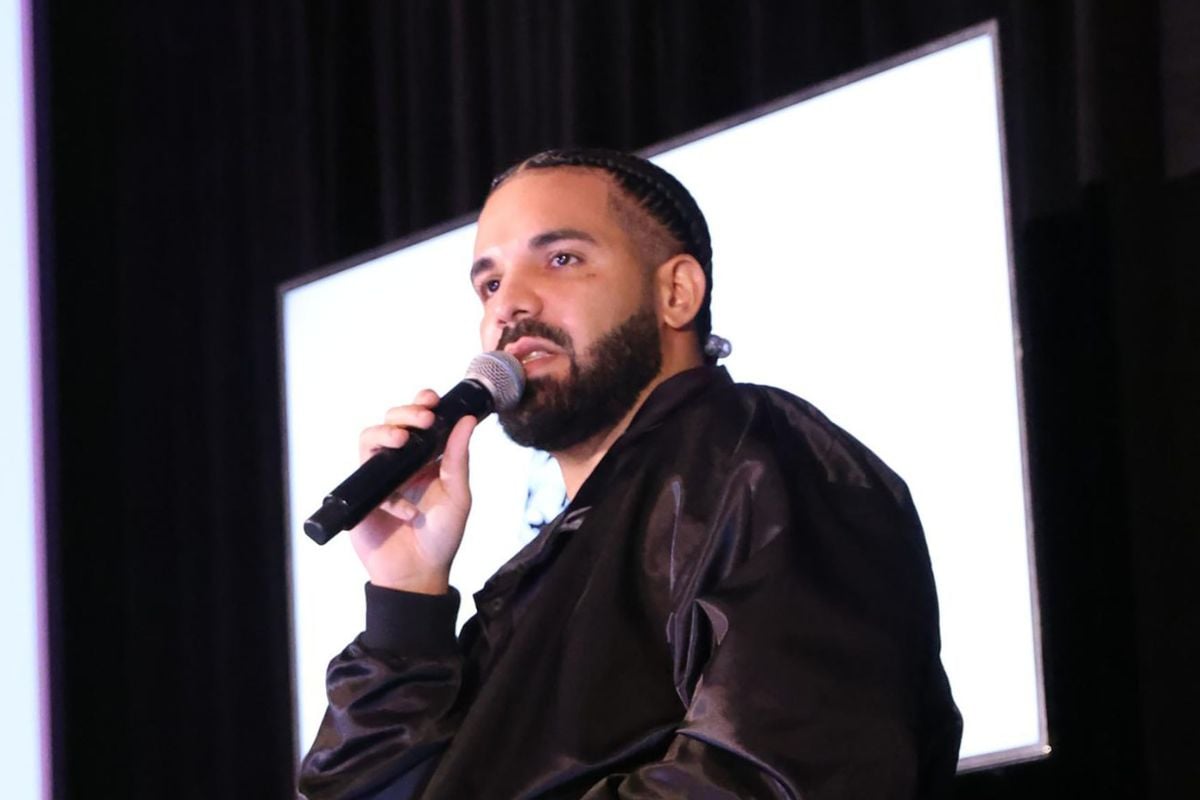

Drake’s Stake case leaves the active federal docket as arbitration pauses unresolved claims involving gambling and streaming bots.
Drake caught a temporary break as a federal judge pushed his Stake gambling battle into arbitration and cleared it from the active docket.
U.S. District Judge Leonie Brinkema granted Stake’s motion July 30, finding its user agreement requires customers to pursue disputes individually outside court.
The ruling does not dismiss the allegations or decide whether Drake, Adin Ross, Stake and Kick participated in an illegal gambling operation.
Instead, Brinkema paused the entire Virginia case until arbitration concludes, leaving the personal claims against Drake pending but inactive for now.
Join Us
AllHipHop’s Daily News Service
Delivering news to inboxes since 1999. We break it. They take it. Get it first, straight from AllHipHop.
The plaintiffs accused Stake of falsely advertising that it does “not offer real money gambling” while selling virtual Gold Coins bundled with redeemable Stake Cash.
They also challenged promises that “no purchase or payment is necessary to participate or play [Stake] games” and called its free-play marketing deceptive.
Plaintiffs LaShawnna Ridley and Tiffany Hines seek at least $5 million through federal racketeering claims and alleged Virginia consumer-protection violations.
Their complaint claims Drake and Ross used Stake’s internal tipping tools to send money toward bot operations that allegedly inflated Drake’s streaming totals.
Stake denied that core accusation while directly disputing whether its American platform could perform the transfers described within the lawsuit.
“For the record, Stake.us does not have a tipping function that could be used in this way,” a company spokesperson said. “This is a nonsense claim and we are not concerned about this lawsuit.”
Drake has not publicly addressed those allegations, which remain unproven and received no ruling on their factual merit from Brinkema.
The arbitration victory follows an argument AllHipHop previously detailed within a separate New Mexico lawsuit involving Drake, Ross and two Stake.us users.
Nathaniel Torres and Rory Michie alleged celebrity promotions drew them toward real-money gambling hidden behind Stake.us branding as a social casino.
Drake and Ross argued those users repeatedly accepted terms requiring “any and all” disputes to enter individual arbitration while waiving class-action participation.
Their attorneys maintained the clause also covered Stake’s “contractors, agents, licensors, subcontractors, or suppliers,” potentially protecting the platform’s paid celebrity endorsers.
The Virginia plaintiffs similarly agreed to Stake’s arbitration language, blocking their proposed class action from advancing through a public courtroom.
Brinkema directed the parties to proceed with arbitration before returning to court, where Drake’s stayed claims could resume depending upon that outcome.
