

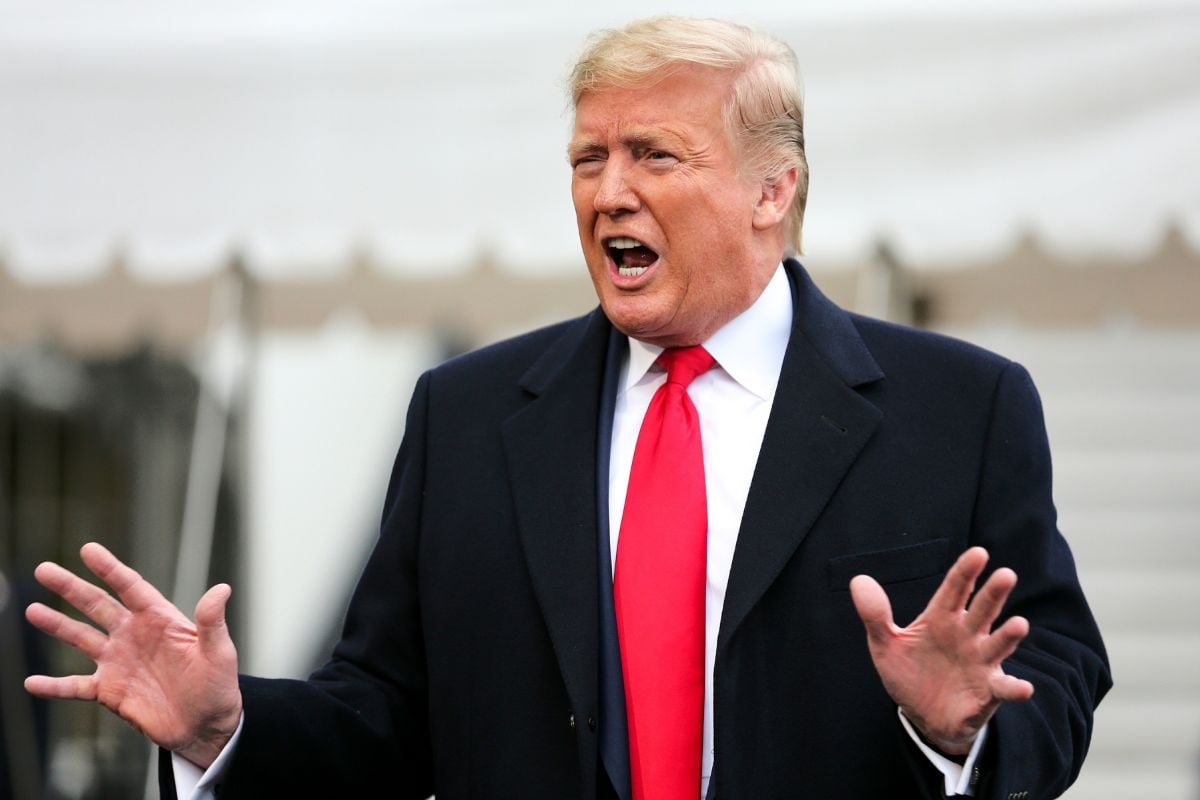

Donald Trump ends the Iran war with a ceasefire deal while both sides wage a hip-hop propaganda battle across TikTok and social media platforms.
Donald Trump brought the six-week Iran conflict to a halt on June 14, 2026, finalizing a ceasefire agreement that immediately stopped the US naval blockade choking the region.
The deal reopened the Strait of Hormuz, required Iran to dismantle its nuclear program, and mandated destruction of existing nuclear material. But the human toll told the real story of what went down.
Over six weeks of fighting, approximately 5,372 people lost their lives while the US Treasury hemorrhaged $12.7 billion, burning through $891.4 million in military spending every single day. The numbers were staggering, and the war had drained resources at a pace nobody expected to sustain.
Yet while American forces dominated the battlefield militarily, something unexpected happened on the information front.
Iran’s government discovered an unconventional weapon: Hip-Hop.
They flooded social media with AI-generated Lego-style videos featuring witty diss tracks that mocked Trump, complete with GTA-style animations and “Call of Duty” imagery designed to resonate with younger audiences worldwide.
These videos racked up hundreds of millions of views across platforms, turning rap culture into a propaganda tool that reached global audiences faster than traditional messaging ever could.
The White House didn’t sit idle. According to reports, the administration launched its own counter-offensive by posting so-called “hype” videos combining real Iran war footage with movie and video game clips on TikTok, attempting to match Iran’s viral strategy with American media firepower.
The US also deployed internet memes and pop culture references to generate public support for a war that polling showed remained deeply unpopular among Americans.
Both sides weaponized Hip-Hop culture and gaming aesthetics, transforming the information war into a battle for TikTok dominance and meme supremacy.
Experts called Iran’s Lego propaganda campaign one of the most successful foreign influence operations targeting international audiences in modern history.
The strategy worked because it spoke the language of Gen Z and younger millennials, using trap beats, humor, and visual storytelling that traditional state media could never achieve.
As reported by the BBC, the videos proved that in 2026, warfare extended far beyond military hardware into the realm of cultural messaging and digital influence.
The ceasefire agreement marks the end of active combat operations, though questions remain about long-term enforcement and regional stability moving forward.
Related
