

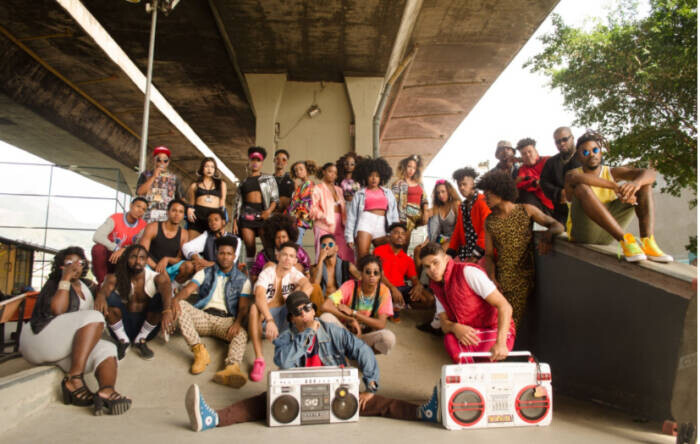
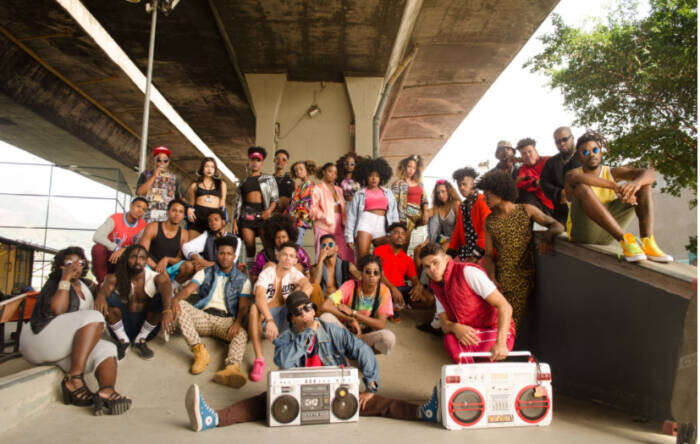
Hip hop fashion has always been this crazy cultural force that nobody saw coming. Think about it, what other music genre completely flipped how an entire generation gets dressed? The way it mixes music, art, and lifestyle into something totally fresh? That’s pure magic right there.
When hip hop started blowing up from those early Bronx block parties, the clothes came along for the ride. We’re talking about this wild journey from kids rocking whatever they could afford to rappers dropping serious cash on runway pieces. It’s pretty insane when you really think about it.
Hip hop went from underground clubs to basically running the world. The fashion has the same exact story. Now you’ve got this fascinating tension between streetwear’s keep-it-real vibe and couture’s fancy-pants luxury. Let’s break down how these two worlds shape hip hop culture, and how hip hop flips the script on both of them.
The Rise of Streetwear in Hip Hop
Streetwear and hip hop are basically best friends who never leave each other’s side. Back in the day, if you were growing up in the city, your style was everything. It was literally one of the few ways you could show who you were without breaking the bank.
Those early hip hop cats were all about baggy jeans, oversized tees, and whatever kicks they could get their hands on. But these weren’t just clothes. They were like armor. Symbols of “we’re here, we matter, deal with it.”
Remember when Run-D.M.C. literally made a whole song about their Adidas? “My Adidas” wasn’t just a track. It was a love letter to three stripes. That’s when brands like Adidas and Nike became part of the family. What made streetwear so powerful was that anyone could jump in. Didn’t matter if you had five bucks or five hundred, you could rep the culture and keep it authentic.
The beauty was in the accessibility. A fresh pair of Air Jordans could make you feel like a king, even if you saved up for months to buy them.
Couture’s Entrance into Hip Hop
For decades, luxury fashion was like an exclusive club that wanted nothing to do with street culture. Then the late ’90s hit, and everything flipped.
Luxury brands finally woke up. They saw hip hop’s massive influence and all that money flowing around. Artists weren’t just throwing on Versace and Gucci. They were making it cool for the first time ever.
This wasn’t just about looking good anymore. It was about transformation, and about proving you made it out. Suddenly, hip hop had this sophisticated side that nobody expected. Couture brought this level of craftsmanship and exclusivity that let artists flex their success in ways streetwear couldn’t touch.
It proved fashion could break down walls that seemed impossible to crack. Who would’ve thought?
Cultural Significance and Influence
Hip hop fashion doesn’t chase trends. It creates them.
Streetwear tells real stories. Economic struggles. Fighting for justice. Celebrating where you came from. It’s practical because it has to be. You can’t be wearing something that falls apart after one wash when that’s all you can afford.
Couture is pure celebration. Success, ambition, making it against all odds. It’s saying “look how far I’ve come” without speaking a word.
This combination is hip hop’s secret weapon. It speaks for people who don’t have a voice AND celebrates when those same people finally get heard. Both styles become these canvases for expression that start conversations nobody else is having.
The Impact of Collaborations
When streetwear and couture started working together, the whole game changed overnight. The Louis Vuitton x Supreme collaboration was straight genius. It gave luxury brands street cred while pushing streetwear into couture territory.
But these partnerships mean something deeper. They’re breaking down those old barriers between “exclusive” and “accessible.” They grab headlines, bring in new customers, and completely reshape what fashion can be.
It’s classic hip hop innovation: always finding ways to connect different worlds and create something iconic that gets copied everywhere.
From Travis Scott’s Jordan collabs to Off-White’s Virgil Abloh changing everything at Louis Vuitton, these aren’t just business deals. They’re cultural moments that shift how we think about fashion entirely.
Personal Branding and Influence
Artists like Kanye and Pharrell aren’t getting dressed. They’re curating their entire existence. They’ll throw a $20 thrift store find with a $2,000 designer jacket and somehow make it look intentional.
These guys become the tastemakers everyone watches. Fans study every outfit, every brand choice, every collaboration announcement. Fashion becomes central to who they are, not just something they wear.
This reinforces hip hop’s whole authenticity-meets-aspiration thing. It shows how the culture keeps pushing fashion forward while reflecting what everyone’s dreaming about.
When A$AP Rocky shows up in vintage Raf Simons, that’s not just an outfit. That’s a statement about taste, knowledge, and cultural fluency. It’s saying “I know fashion history” without being pretentious about it.
Commercialization and Evolution
As hip hop grows, its fashion influence gets stronger. Brands like Dooney & Bourke Handbags have found ways to tap into hip hop culture, creating this back-and-forth where everyone influences everyone else.
Luxury goods in hip hop aren’t just about showing off anymore. They represent how the whole genre has matured and gained respect. When streetwear and couture blend in hip hop, it shows fashion’s cyclical nature: classic elements getting reimagined through hip hop’s cultural lens.
This evolution suggests hip hop’s style influence will keep breaking boundaries and reshaping fashion’s entire landscape for years to come. No signs of slowing down.
Hip hop’s fashion journey from streetwear to couture mirrors the genre’s rise from underground to global takeover. Each style carries serious weight. Streetwear’s authenticity balances couture’s sophistication perfectly.
Together, they showcase hip hop’s versatility and raw cultural power. This fusion challenges designers, artists, and fans to participate in a story that’s constantly redefining what fashion can be.
As hip hop keeps blurring those lines between street culture and high fashion, it invites all of us into this cultural revolution. One that goes way beyond music into the very fabric of how we dress, how we express ourselves, and how we see the world.
© 2026, alanna. All rights reserved.
