

A federal judge dismissed a lawsuit accusing Spotify of ignoring fake streams tied to major artists, while questioning claims centered heavily on Drake.
A judge has dismissed a lawsuit that accused Spotify of looking the other way while billions of fake plays inflated the numbers of major artists.
A federal judge in California tossed out a proposed class action lawsuit filed by RBX, a former Dr. Dre artist born Eric Collins. He claimed claimed Spotify failed to adequately combat artificial streaming and allowed fraudulent activity to siphon royalties away from independent and lesser-known artists.
The lawsuit, filed in 2025, argued that Spotify’s anti-fraud measures were ineffective and that the platform benefited from inflated user activity generated by bots. He also charged that fake streams diverted money from legitimate artists because streaming royalties are distributed from a finite revenue pool.
On Monday (June 22), U.S. District Judge Josephine Staton ruled that RBX had not provided enough concrete evidence to support those claims.
“Plaintiff has failed to plausibly allege that the harm he has suffered outweighs any justification Spotify may have for maintaining its current policies regarding artificial streaming,” Staton wrote in her decision.
The ruling does not permanently end the case. RBX and his legal team now have 21 days to file a revised complaint addressing the deficiencies identified by the court.
Spotify has denied that it profits from fraudulent streams. The company has previously stated that it does not benefit from artificial streaming and has invested in detection systems to identify and remove suspicious activity.
The issue of streaming fraud is a major concern across the music industry. Experts estimate that billions of streams generated each month may be inauthentic, a problem that has only become more complicated with advances in AI. Since streaming payouts are divided among rights holders, inflated stream counts can reduce earnings for legitimate artists.
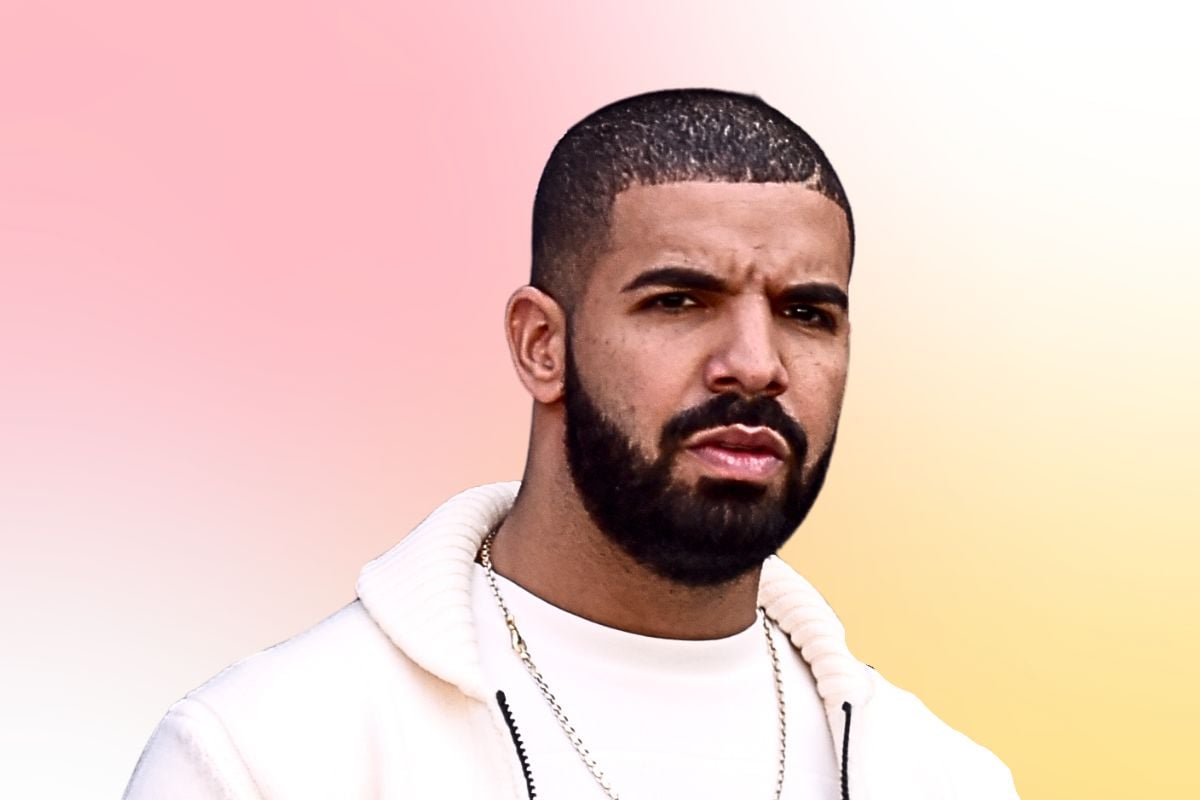
RBX’s lawsuit repeatedly pointed to rapper Drake as an example of the broader issue.
He maintained that billions of fraudulent streams had been generated for music associated with the superstar. While he was the example, Drake was never named as a defendant or accused of any wrongdoing.
Judge Staton appeared skeptical of the lawsuit’s emphasis on Drake. The judge said the complaint centered too heavily on a single artist and failed to demonstrate how artificial streaming caused measurable harm to RBX or other artists.
“Plaintiff’s complaint focuses almost exclusively on the artificial streams of only one artist’s music, so the extent to which plaintiff is injured by artificial streaming as a whole is unclear,” the judge wrote.
The court also rejected RBX’s claim under California’s Unfair Competition Law and ruled that he failed to establish that Spotify had a legal duty to protect him from streaming bots, a key element required for a negligence claim.
Related
